Why You Need a Ceremony for Menopause
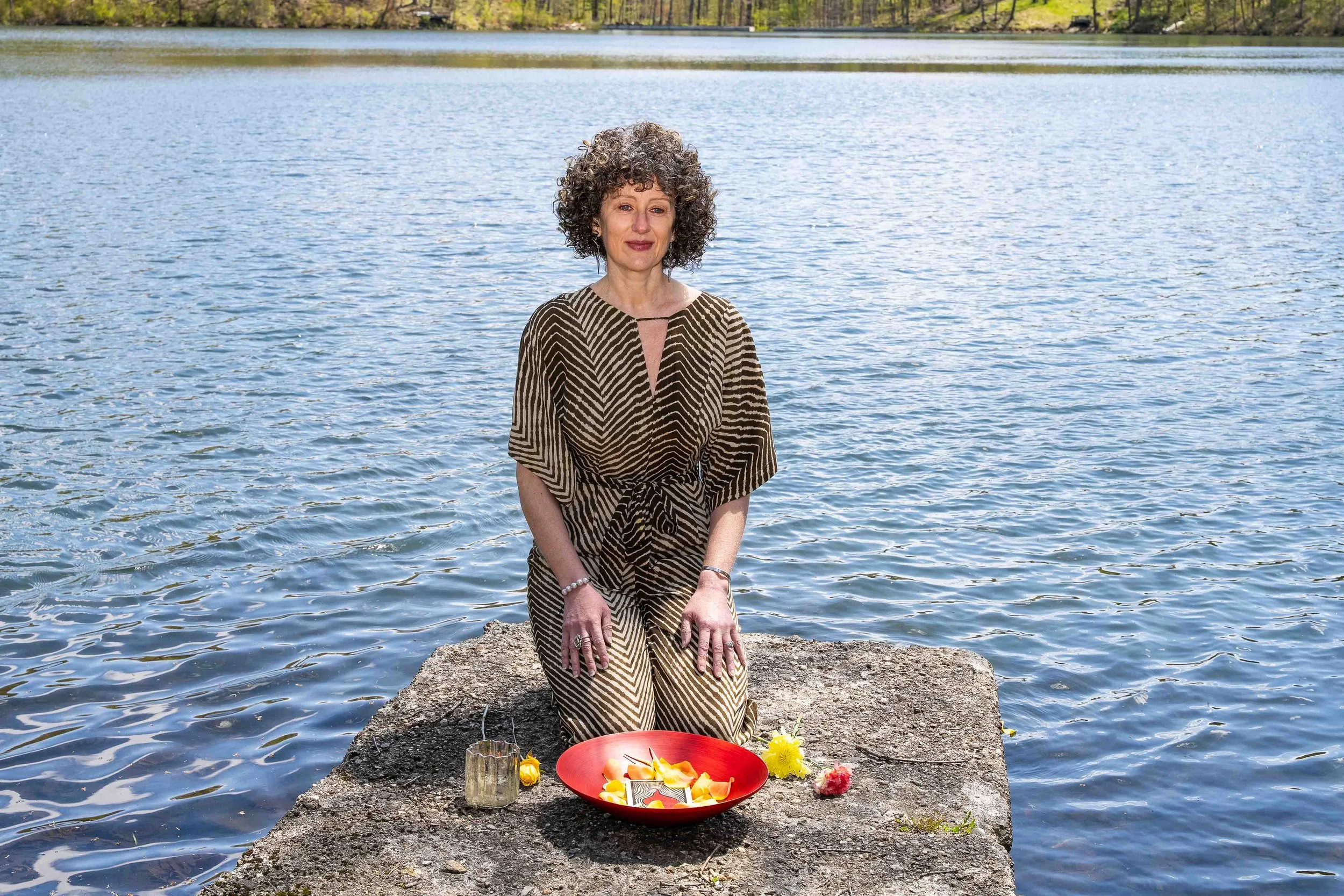
The conversation we're finally having about menopause is almost entirely medical. Doctors, books, podcasts, article after article about what to expect from your body and what to do about it. You can find information on any of it with five minutes of searching. What you cannot find, almost anywhere, is someone acknowledging that you're also becoming a different woman.
That part gets skipped entirely.
You'll read about hot flashes and bone density. You'll get told about HRT, supplements, side effects, and which foods to cut out or add in. It’s often useful information, and it’s important that we’re supported through this transition in a physiological way.
But the identity piece of menopause never makes it into the pamphlet. The part where the woman you've been for the last thirty or forty years is shifting into someone new. A version of yourself you’ve never been before.
Our culture is comfortable medicalizing menopause because medicalization keeps the conversation clinical. You have a condition, here's your treatment. Then we’re expected to be back to business as usual. The depths of the experience aren’t addressed.
The biological change is part of a much bigger picture. It arrives at the same time as a reckoning with everything you've been carrying, and the two can't be separated.
What happens is that the exhaustion of holding it all together catches up with you. Patterns you accepted for decades without question start feeling intolerable. Your body is doing something that can't be argued with, and old methods of coping or suppression aren’t cutting it anymore.
Most women I talk to feel this deeply. They know something fundamental is shifting. They know the old version of themselves doesn't fit the way it used to. What they don't have is anywhere to put that reckoning. No framework for what to do with it. There’s no ritual waiting for them when their period stops for the last time.
So the shift happens in and around daily life. Maybe it’s mentioned in therapy or in conversations with friends going through the same thing. But it’s rarely centered as a remarkable threshold in its own right. You end up processing the biggest identity change of your adult life in the margins of your regular week.
This can be especially disorienting for women whose menopause arrived without warning. Through cancer treatment, a hysterectomy, or another medical circumstance that changed the body overnight. In those situations, there’s no gradual easing in with years of perimenopause as preparation. It’s an immediate, often brutal, new reality and the psychological and emotional impact is significant.
What a ceremony does
A ceremony gives this change a defined moment to claim what's happening. A clear container where you acknowledge the significance of this transition.
Something shifts in the body when you do this. When you stop treating a major life change as something to endure and start treating it as something you're intentionally shaping, you move from passive to active inside the experience. The change is still happening, but you’re no longer a bystander to it.
I've also seen this with women I've worked with around other transitions. From career changes to empty nests, the loss of a parent to identity shifts around milestone birthdays. The pattern that runs through all of them is the knowing that something meaningful happened, but nobody helped them mark it.
Ceremony is permission to say, out loud, that this changed me, and I get to decide who I am now.
Menopause is one of the most significant biological and identity shifts a woman will experience in her life. The cultural response is symptom management and silence about everything else.
But that's not enough. And our bodies know it.
What it looks like
A ceremony for menopause centers what this change actually means for you. What's ending beyond the biological. What you feel a sense of grief or relief about. What you want the next chapter to look like.
From that space, I design something built around your specific journey. Some women want witnesses, others prefer privacy. There’s no right or wrong way to create ceremony, but what stays constant is that the ceremony becomes a definitive line drawn in your own life. A point where you stop being swept along and start being the woman you want to become next.
You don't need to have studied any particular practice or come from a specific religious or spiritual background. Women come to ceremony from every kind of tradition, and many from none at all. What matters is your willingness to mark this moment with intention, and someone who can help you meet the change instead of letting it happen to you.
If you're interested in a menopause ceremony that acknowledges the identity shift alongside the biological one, I'd love to talk with you.