
What Are Rituals and Why Are They Important?
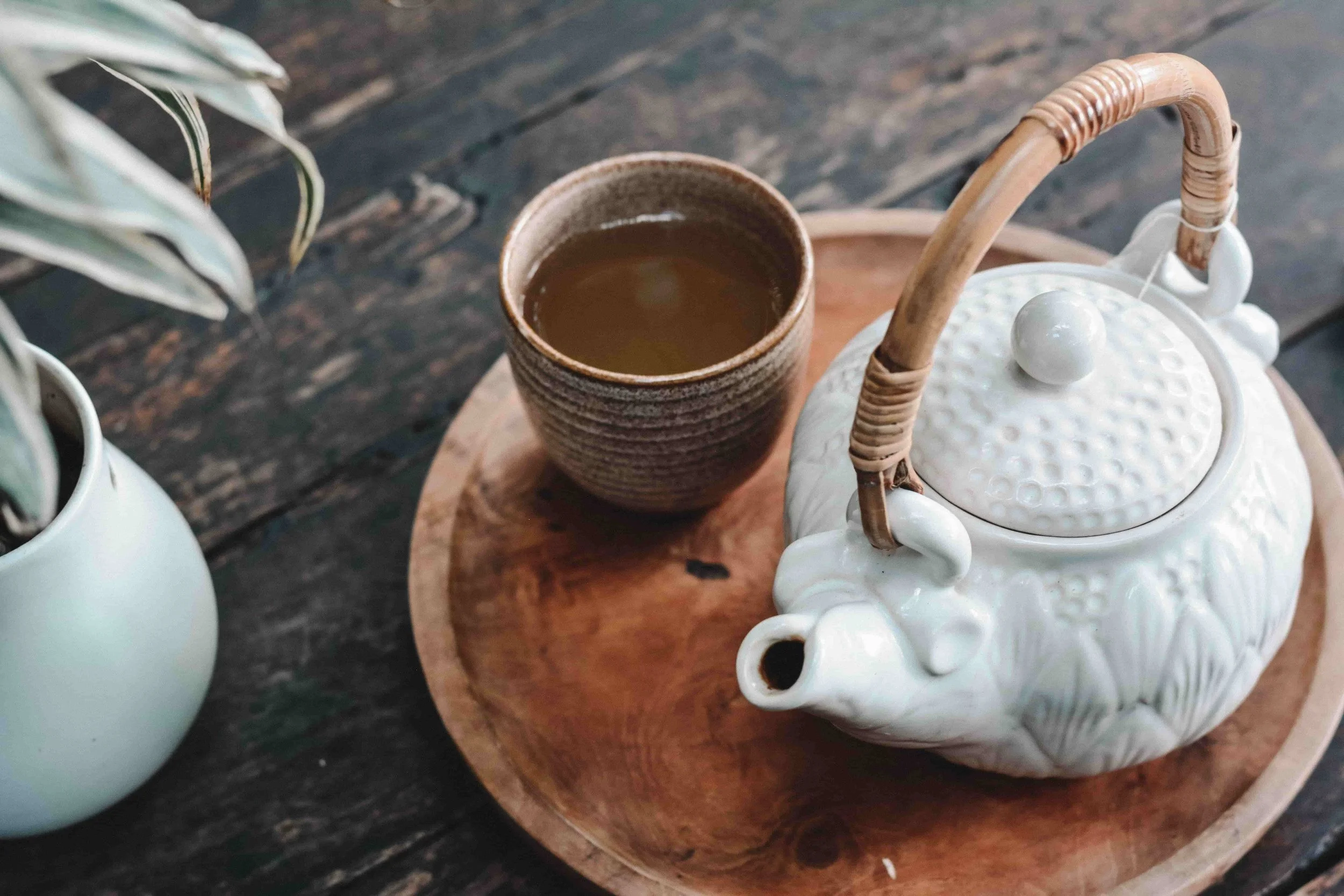
Ritual is how humans have marked what matters since the beginning of time. Harvests, births, deaths, marriages, coming-of-age. Cultures around the world developed ways to acknowledge when something significant was happening, when a person or community was changing or evolving.
These weren't just practices for the sake of tradition. They served a purpose. Ritual brings attention to moments we want to acknowledge or remember.
What’s interesting is what’s often missing from our own cultural inheritance when it comes to our middle years. Many of us were taught to celebrate engagements and “big” birthdays, but we weren’t handed down markers for midlife transitions, even though it’s a time of multiple important shifts. We’re navigating all kinds of inner and outer changes, but society doesn’t acknowledge those shifts with ritual.
So we get to create our own.
Ritual in Daily Life
Ritual doesn't only show up in big ceremonial affairs. It lives in the small actions you repeat each day, when you choose to meet moments with consideration instead of rushing past them on autopilot.
The difference between simply going through the motions and engaging in ritual comes down to intention. Are you aware of what you're doing, or is your mind already three steps ahead? Are you present for the moment, or are you treating it as something to get through?
Your morning coffee or tea can be just caffeine, or it can be a few minutes where you're fully conscious of the warmth in your hands, the taste of the liquid, the pause before your day begins. The shower can be a rushed necessity, or it can be a moment to feel the temperature of the water as you symbolically wash away anything that you might not want to carry with you into the day or evening.
These small rituals matter because they anchor you. They create pockets of presence in days that can otherwise feel like a blur of tasks and obligations.
When your days are filled with responding to other people's needs and external demands, ritual becomes the place where you remember you exist. Not as a function or a role, but as a person with a body and preferences and needs that deserve attention.
This matters more in midlife because the demands don't decrease - they multiply. Aging parents, children who still need you, work with more responsibility, a body that’s behaving differently.
Without deliberate grounding practices, responding to demands becomes how you spend your entire time rather than one part of how you spend it. Ritual is how you maintain contact with yourself when everything else pulls you outward.
Ritual for Threshold Moments
Then there are the bigger passages. The times when something fundamental is shifting in your life and you need more than a daily ritual to help you make sense of it.
Peri/menopause. Divorce. Career changes. Losing a parent. Becoming an empty nester. A birthday milestone. Claiming a new identity for yourself. These transitions are significant. They ask to be witnessed and honored, not just pushed through or minimized.
This is where ceremony comes in. A deliberate way to honor what's ending, acknowledge where you are now, and move forward with intention into what's beginning.
Think of rituals as individual notes or chords. A ceremony is the full song. You can play a single chord and it means something, but when you arrange multiple chords in sequence with intention, you create something that moves you through an emotional arc from beginning to end.
Creating Your Own Rituals
We don't have to wait for society to recognize our transitions as meaningful. We don't have to accept that midlife is somehow less worthy of ritual than youth.
We can claim these experiences for ourselves. We can decide what matters enough to mark an occasion, and create our own ways of honoring it.
This can be part of how we harness our power in midlife. Not diminishing ourselves or apologizing for taking up space, but acting with agency. Bringing intention where we want it. Creating meaning in the moments that matter to us.
Ritual is how we do that. From the smallest daily practice to the most significant ceremony, it's how we tell ourselves and the world: this matters and I'm present for it. I'm honoring what's true for me.
The ritual that works is the one you'll actually do and the one that’s meaningful to you.
This might be as simple as designating one mug that's only for morning coffee, making that first drink of the day your moment of arrival before everything else starts. Or it could be ending each workday by changing into different clothes or taking a walk.
When it comes to honoring a specific experience or a transition, some women I've worked with have created rituals around burning letters they'll never send or burying objects that represent what they're releasing. One client rearranged the furniture in her home to reflect who she was becoming. Another scattered her mother's favorite flower seeds in different locations, creating small memorials only she knew about.
The beauty of ritual is that you get to decide. You can create something that makes sense for your specific situation and feels true to who you are.
Sometimes a single meaningful act is enough - an afternoon of burning letters, a walk where you consciously let something go. Other times you need structured ceremony with multiple elements that move you through a complete arc. You'll know which you need based on the weight of what you're carrying.
Bringing Ritual Into Your Life
If you're navigating a transition and want support in creating ritual that fits where you are right now, I can help.
For daily grounding or inspiration during life changes, Elevations are personalized meditations designed specifically for what you're moving through. They offer encouragement tailored to your circumstances, giving you a ritual practice you can return to whenever you need it.
For threshold moments, Customized Ceremonies provide a structured way to mark major passages. Each ceremony is crafted around your specific transition, giving you space to release the past and open to the future.
You can explore Elevations and Ceremonies to see which form of ritual support fits where you are.